
[NOTE: THIS PAGE IS CURRENTLY BEING UPDATED. PLEASE COME BACK SOON. MAY 2012.]
BEE-KEEPING, RWANDA
Host Organization: Rwanda Village Concept Project with the Widow's Association

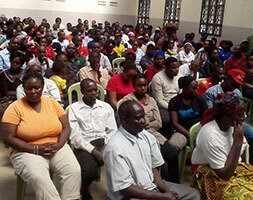
This grassroots project was initiated in the Huye community of Southern Rwanda in February 2008. This venture, which includes the construction of thirty bee hives and the specialized training of fifty members of the Rwandan Widows' Association, will act as a model microeconomic enterprise to be replicated in other parts of the region.The proceeds from the sale of all processed honey will go directly to widows of both the Rwandan genocide of 1994 and the HIV/AIDS epidemic, many of whom are currently living on less than US$1 a day. In addition to its economic benefits, this venture aims to promote self-reliance and responsibility in the community through leadership training, supported project management, and exercises in proposal writing.
Most of the population (98%) in the project's target area has been resettled there since the 1994 genocide, consisting mainly of widows and orphans, which now represent the majority of the population. This demographic imbalance has had a huge economic impact on the country and has significantly lowered the living standards and health conditions of the population.
The bee keeping project will contribute to poverty alleviation in the Huye community, empower the beneficiaries, and provide pollination for the many cash crops which are grown in the surrounding area, including coffee, bananas, and sunflowers. As a sustainable development initiative, this project aims to become self-sustaining after the first two years of honey production and will continue to benefit the community group by acting as a model for similar microeconomic enterprises in years to come.
This project has had two EPN interns at the site: Alyx MacAdams (May-August 2008) and Sarah Woolf (May-August 2009).
View this internship's blog online here at www.sustainabilibee.blogspot.com.
Both the interns have played vital roles in the implementation of this project. This includes coordinating Joint Venture requirements (including collecting receipts, minutes, important documents, photos, keeping a journal, etc) as well as working directly with the widows on the ground in bee-keeping. We are extremely proud and thankful to have both of their expertise on the project site. We cannot be happier with how they have and continue to contribute to this project.
This project began in February 2008 with our first mutual agreement (see below) and was renewed with the decision to continuing fostering the project until sustainable profit is viable for the widows. EPN will be closely monitoring the project until the end of April 2010 and, although EPN's participation will be less active after this point, close communication between EPN, RVCP and the Widow's Association will continue for years to come.
After two years with this project, three bee-hives have been established and a sustainable organizational structure has been put into place. The Widow's Association has received full training and are making enough profit currently to foster the project's growth. Although the returns they are seeing now is more modest than originally predicted, EPN has faith that the project will continue to grow and will be met with success for the Widow's Association, their families, and their communities.
See the below documents for more information...
For more information on the Rwanda Village Concept Project as an organization, click here.
Bee-Keeping Project Proposal Hand Written
Bee-Keeping Project Proposal Formal
FIRST SIGNED AGREEMENT (February 2008)
February 21st 2008 Project Report
April 5th 2008 - First Installment Narrative
First Installment Financial Report
June 17th 2008 - Second Installment Narrative
Second Installment Financial Report
Third Installment Budget Rewrite
June 19th, 20th, 21st, 22nd 2008 Project Reports
July 24th 2008 - August 31st Project Report
October 10th 2008 House Vandalism Report
December 24th 2009 Project Report
February 2nd 2009 Project Report - Harvesting the Honey
First Agreement Estimates vs. Expenditures (from receipts, financial reports and others not included in the above as they are summarized within this spreadsheet)
Joint Venture Continuation Proposal
SECOND SIGNED AGREEMENT (May 2009)
November - December 2009 Report
November 2009 -- INTERN REPORT / Project Evaluation
Second Agreement Estimates vs. Expenditures (to be published soon)